
The Guardians of the Garden: Cultivating Roses with Nature’s Own Pest Control
For rose growers, the pursuit of perfect, unblemished blooms is a constant journey. But what if the path to pest-free flowers didn’t involve harsh chemicals? What if the solution was to work with nature, not against it? This is the core of eco-friendly pest management, a sustainable approach that benefits not only your roses but the entire ecosystem.
This guide explores the best practices for adopting a nature-first approach to pest control, a strategy embraced by leading floriculture farms worldwide. It’s not about eradication, but about creating a balanced, resilient garden where beneficial insects and natural processes are your most powerful allies.
At the heart of sustainable floriculture is Integrated Pest Management, or IPM. This isn’t a single technique but a holistic, science-based strategy that prioritizes long-term prevention. Instead of a knee-jerk reaction with a chemical spray, IPM follows a tiered approach:
Monitoring and Identification: The first step is to become a detective in your own garden. Regularly inspect your roses for signs of pests or disease. Correctly identifying the specific problem is crucial; not all insects are bad, and a targeted response is always more effective than a broad one.
Prevention and Cultural Controls: Before you ever need to think about intervention, focus on prevention. This is the most crucial, and often overlooked, step.
Choose Wisely: Select rose varieties known for their natural resistance to common pests and diseases.
Maintain Sanitation: Keep your growing area meticulously clean. Remove dead leaves, fallen petals, and weeds that can serve as host sites for pests.
Promote Plant Health: Healthy, vigorous plants are naturally more resilient to pest attacks. Ensure your roses have proper soil nutrition, adequate water, and good air circulation.
Harnessing Natural Allies: The Power of Biological Controls
This is where the magic of a nature-friendly approach truly shines. By introducing or encouraging beneficial insects, you can create a living, breathing pest control system.
Ladybugs: The classic aphid predator, both adult ladybugs and their “alligator-like” larvae are voracious eaters of aphids, mites, and other soft-bodied pests.
Green Lacewings: Often called “aphid lions,” the larvae of these delicate-winged insects are incredibly effective at devouring aphids, thrips, and whiteflies.
Parasitic Wasps: Don’t let the name scare you! These tiny wasps are harmless to humans but are the arch-nemesis of pests like whiteflies and caterpillars. They lay their eggs inside the host, effectively stopping the pest’s life cycle.
- You can attract these natural allies by planting companion plants like dill, fennel, or marigolds, which provide a food source and a habitat for beneficial insects.

When prevention and biological controls need a little help, physical methods offer a safe and effective next step.
Sticky Traps: Bright yellow or blue sticky traps can be used to monitor and capture flying pests like whiteflies and thrips. They provide a visual indicator of pest populations, helping you decide if further action is needed.
A Simple Hose Blast: For smaller-scale infestations, a strong stream of water from a hose can dislodge aphids and mites from leaves and stems.
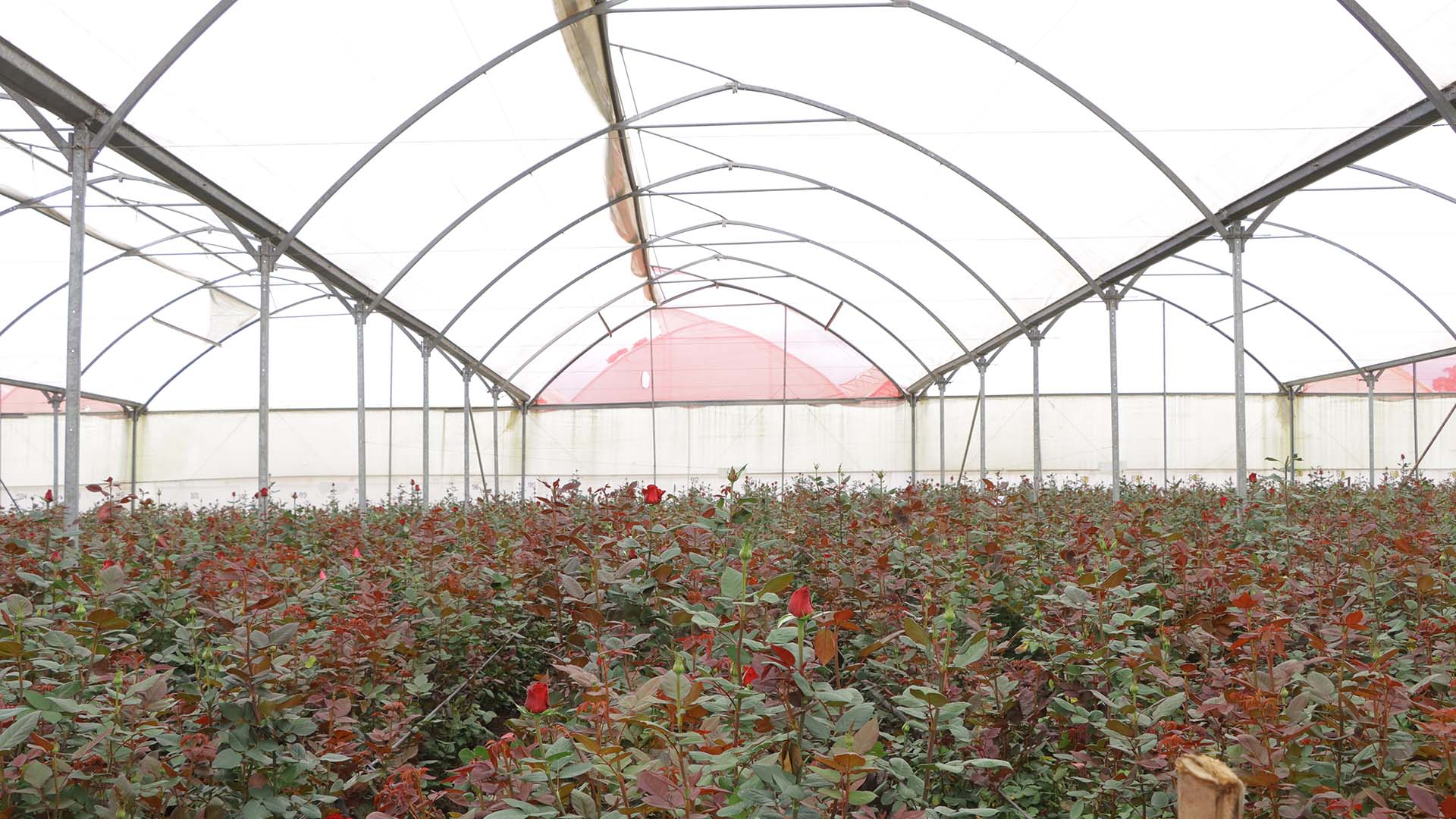
In some cases, pests may overwhelm your natural defenses. When this happens, a targeted, low-impact intervention is the best course of action.
Neem Oil: Derived from the seeds of the neem tree, this natural pesticide is highly effective against a wide range of pests. It works as an insect repellent and a growth regulator, disrupting the life cycle of pests like aphids, mites, and thrips without harming beneficial insects.
Insecticidal Soaps: These specially formulated soaps kill soft-bodied insects on contact by disrupting their cell membranes. They are a safe, low-toxicity option that leaves no harmful residue.
It’s important to remember that even with eco-friendly solutions, timing and precision are key. Always apply treatments in the evening to avoid harming pollinators and follow the product instructions carefully. For a deeper dive into these methods and other sustainable floriculture practices, resources like the Kenya Flower Council (KFC) and publications on the Floriculture Sustainability Initiative (FSI) provide invaluable insights.
By embracing these natural allies and sustainable practices, you can create a thriving, vibrant rose garden that is not only beautiful but also a testament to the power of working in harmony with nature.
Do you have a need for premium, sustainably grown roses? Explore our exquisite rose varieties and discover how our eco-friendly practices result in unparalleled quality.